Natural Moisturizer for Skin
A smaller is sometimes more when it involves skincare, particularly when it comes to substances. Natural moisturisers are a mild, effective way to preserve and nourish your skin if it needs hydration without the use of toxins.
Here are some of the greatest natural moisturisers your skin will adore, regardless of whether you’re battling dryness, sensitivity, or simply want to keep things basic and clean:
Natural Face Moisturizer
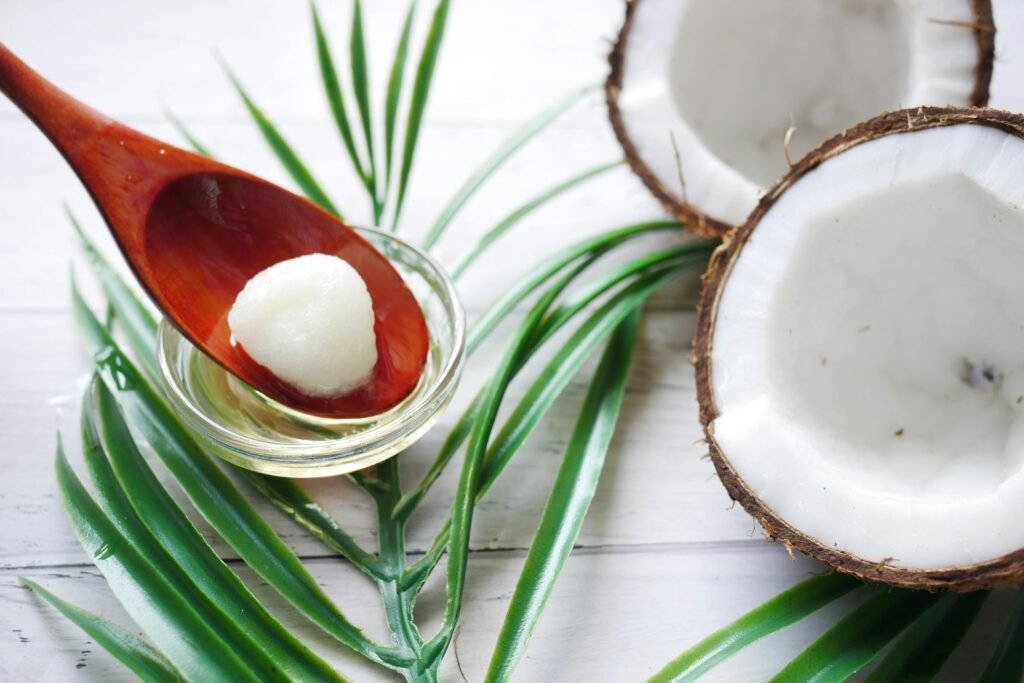
The All-Natural Deep Skin Conditioner: Coconut Oil
Coconut oil is a tried-and-true favourite in the natural beauty industry. It contains the lauric acid and other medium-chain fatty acids that help to strengthen the skin barrier, lock in moisture, and lessen inflammation.
Advantages
- Incredibly hydrating
- Both antibacterial and antifungal.
- Rich in antioxidants.
How to Use: Apply a light layer to clean, damp skin, focussing especially on dry areas like the elbows, knees, and feet. Avoid using it on skin that is prone to acne because it can be comedogenic for certain individuals.
Pro Tip: Use cold-pressed, organic, unrefined coconut oil for best results.
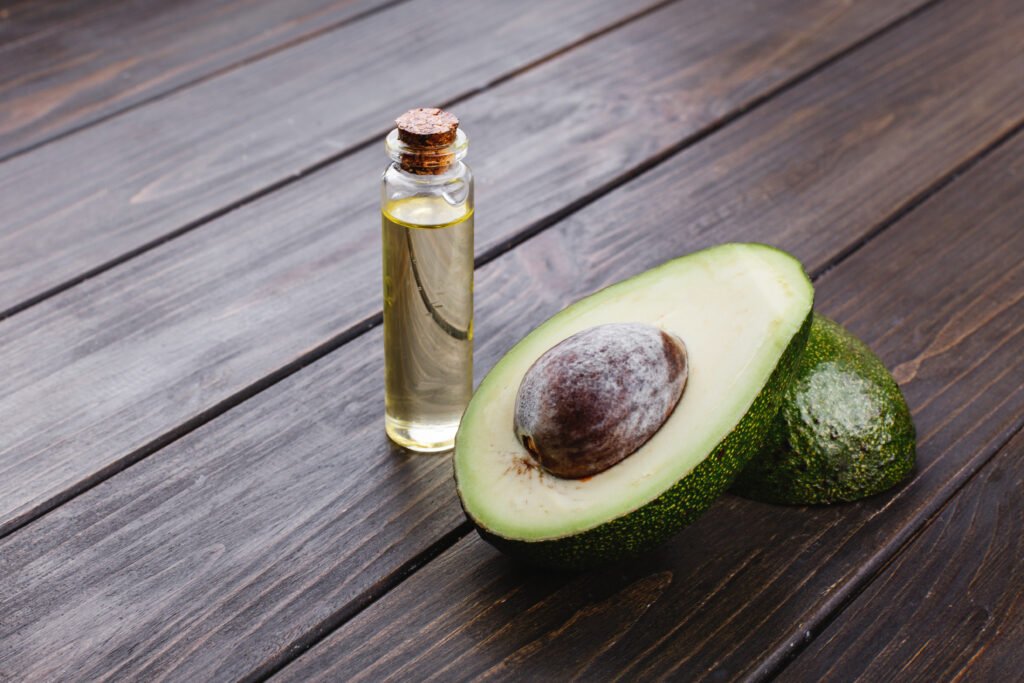
Avocado Oil: A Vitamin-Rich Skin-Saver
Avocado oil tastes delicious on toast and is beneficial to your skin. It contains the skin-nourishing antioxidant vitamins A, D, and E as well as the oleic acid, which helps permeate the deep layers of the skin for long-lasting hydration.
Advantages
- Lessens inflammation
- Aids in calming chapped or irritated skin.
- Promotes the production of collagen
How to Use: Massage two to three drops into the skin after cleansing, especially at night. Additionally, it combines well with other oils such as rosehip or jojoba for a customised facial blend.
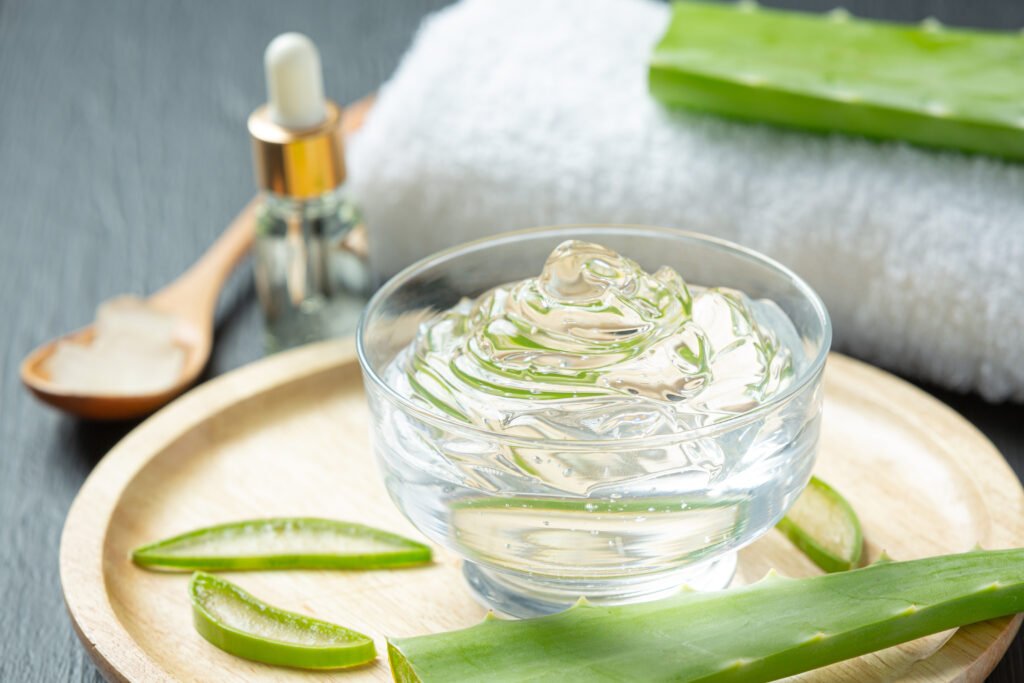
Aloe Vera: Mild Hydration with Restorative Properties
One of the gentlest natural moisturisers, aloe vera is well-known for its calming and cooling effects, making it ideal for anyone with sensitive or acne-prone skin. Because it contains 99 percent water, it is extremely moisturising without being greasy.
Benefits
- Lessens inflammation and redness.
- Antibacterial by nature
Aids in the healing of small wounds and sunburns.
How to Apply:
Fresh aloe gel should be applied straight from the leaf.
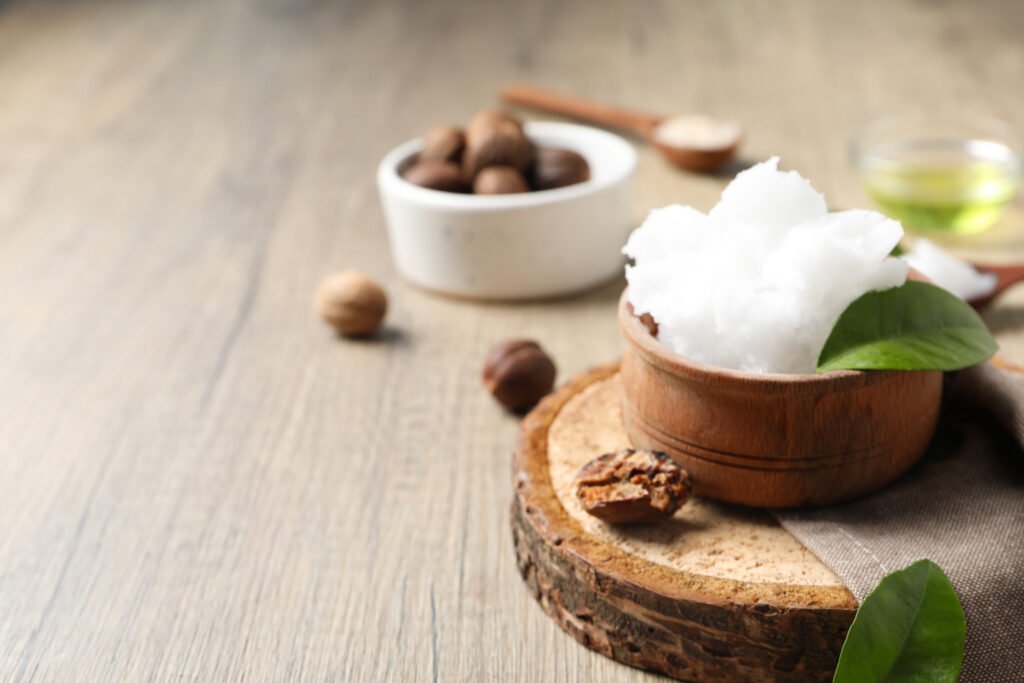
Ultra-Rich Moisturising for Dry, Damaged Skin: Shea Butter
The nuts that grow on the shea tree are used to make shea butter, a rich, creamy fat. It creates a barrier that protects the skin from environmental stresses and retains hydration.
Benefits
- Treats persistent dryness and eczema.
- Packed with vitamins A and E.
- Promotes skin renewal.
How to Use: Apply a tiny amount, especially in the winter, to dry regions after warming it in your palms. It works well as a body balm or night cream.
Note: The most nutritious shea butter is raw, unrefined shea butter.
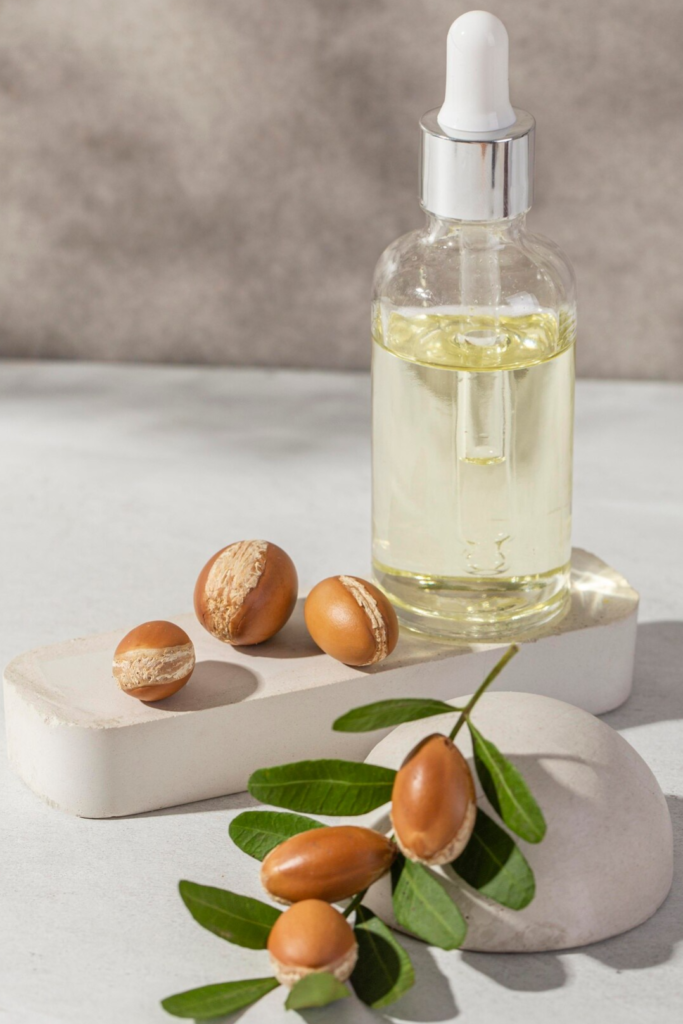
Jojoba Oil: The Superhero of All Skin Types
Jojoba oil closely resembles the natural sebum produced by your skin because it is actually a wax ester rather than an actual oil. It is perfect for oily, mixed, or acne-prone skin since it controls oil production while providing deep moisture.
Benefits
- Not comedogenic.
- Aids in sebum regulation.
- Both antimicrobial and anti-inflammatory.
How to Use: After washing your face, apply two to four drops to damp skin. It works flawlessly under makeup and absorbs rapidly.
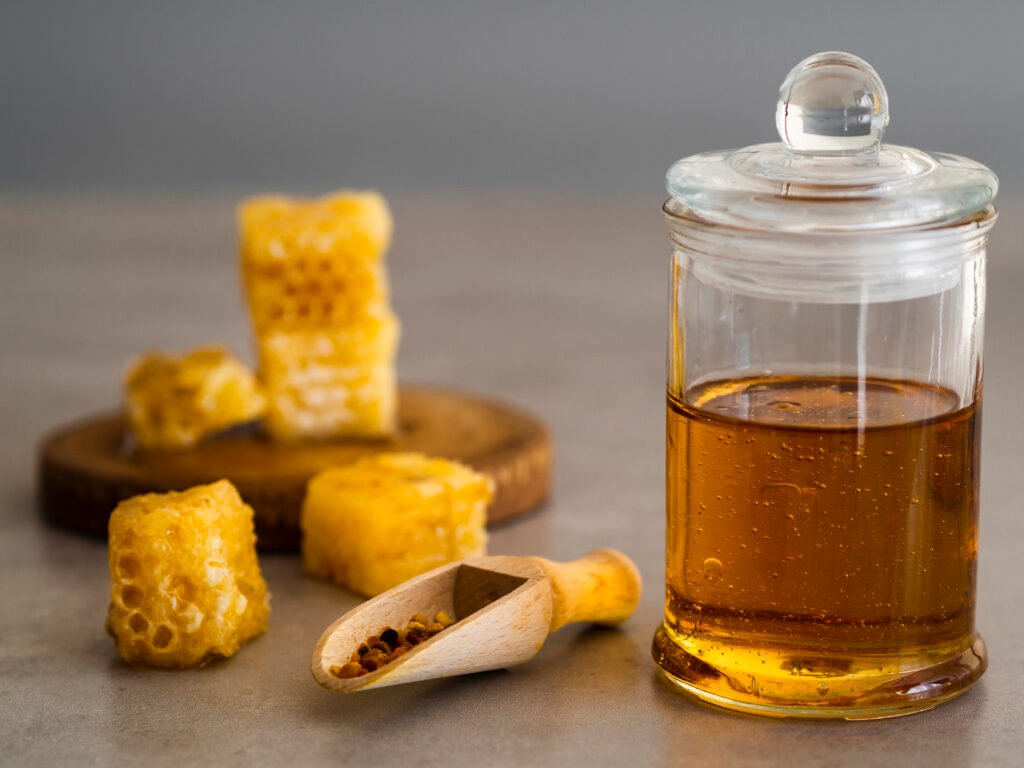
Raw Honey: A Restorative and Hydrating Mask
Honey is a great moisturising treatment, even though it’s not usually used as a leave-on moisturiser. Because of its humectant qualities that jojoba attracts moisture to the skin and aids in the prevention of outbreaks.
Benefits
- Moisture-attracting natural humectant.
- Combats germs that causes acne.
- Leaves skin feeling smooth and radiant.
How to Use: Put on a thin layer of raw honey and leave it on for ten minutes. Pat dry after rinsing with warm water. Your skin will feel renewed right away.
How to Make Your Own Natural Moisturiser
You can try this easy dish yourself or share it with your readers!
Shea Body Butter with Whipping
Components:
- Half a cup of uncooked shea butter.
- Two tablespoons of coconut oil.
- One tablespoon of jojoba oil.
- Five drops of lavender essential oil are optional.
Directions:
- In a double boiler, melt the coconut oil and shea butter.
- Take off the heat and mix in the essential oil and jojoba oil.
- Refrigerate for one hour.
- Using a hand mixer, whip until frothy.
- Keep in a container that is clean. Apply as a moisturiser to your body every day.
Concluding remarks
Natural moisturisers, which use only a few powerful components straight from the soil, are a lovely way to take care of your skin. Your skin will appreciate the clean, easy, and nourishing changes you make, regardless of whether you select for a rich butter like shea or a lighter alternative like aloe or jojoba.
✨ Happy skin is healthy skin, and nature is the best judge.